






Why the UK is suddenly glued to its phones
If you walked into a coffee shop in Manchester last week, you’d hear a chorus of notification dings every few seconds. A recent Deloitte report puts the average daily screen time for UK gamers at 2 hours 15 minutes – up 18 % from 2022. The jump isn’t about new consoles; it’s about streaming services that let you play high‑end titles without a laptop or a pricey handset.
What “game streaming” actually means
Game streaming is the opposite of video streaming. Instead of watching a pre‑recorded show, a remote server runs the game’s engine and sends you a live video feed. Your phone acts merely as a controller and display. Services such as Xbox Cloud Gaming, PlayStation Plus Premium, and Nvidia GeForce Now host libraries of 100 + titles each, all rendered on data‑center GPUs that would make a home rig blush.
Because the heavy lifting happens in the cloud, the hardware requirements drop dramatically. A mid‑range Android phone with a Snapdragon 7 Gen 1 chip and 6 GB of RAM can now run “Assassin’s Creed Valhalla” at 1080p, 30 fps – something that would have needed a dedicated gaming laptop a year ago.
How latency is finally tolerable
Early attempts at streaming suffered from lag that made first‑person shooters feel like you were playing with a stick in a wind tunnel. The UK’s 5G rollout has changed that math. According to Ofcom, 5G coverage now reaches 71 % of the population, delivering average round‑trip times of 25 ms in major cities. In practice, that means a burst of fire from a virtual rifle registers on screen almost instantly, shaving off the “feel‑like‑you’re‑playing‑on‑a‑TV” delay that plagued 4G.
Even in rural Cornwall, where 5G is patchy, providers have introduced edge‑computing nodes that sit closer to users. Tests in Plymouth recorded a consistent 45 ms latency when streaming “Fortnite” via a local node, which is still within the acceptable range for competitive play.
The economics of subscription versus hardware
A typical high‑end gaming phone costs around £799. Add a 256 GB SSD, and you’re looking at £950 before tax. By contrast, a monthly game‑streaming subscription runs £9.99 for Xbox or £12.99 for PlayStation. Over a twelve‑month period, you spend roughly a third of the cost of a premium device, yet you gain access to a rotating catalog of 50 – 100 new titles each month.
- Initial outlay: £0 (apart from your existing phone)
- Monthly cost: £10 – £13
- Annual cost: £120 – £156
- Typical console purchase: £300 – £500
The math convinces many parents who want their teens to game responsibly without splurging on a console that will be outdated in three years.
Streaming’s ripple effect on content creation
Because the games run on remote servers, streamers can broadcast in 4K without a capture card. A recent Twitch survey found that 42 % of UK creators now use a cloud service as their primary gaming source, citing “no overheating” and “consistent frame rates” as top reasons.
Moreover, the lower hardware barrier means more people can experiment with niche genres – think indie puzzle games or VR titles streamed via a headset connected to a phone. The diversity of content has broadened, and viewers are rewarding creators who explore these less‑trodden paths.
From mobile streaming to broader online entertainment
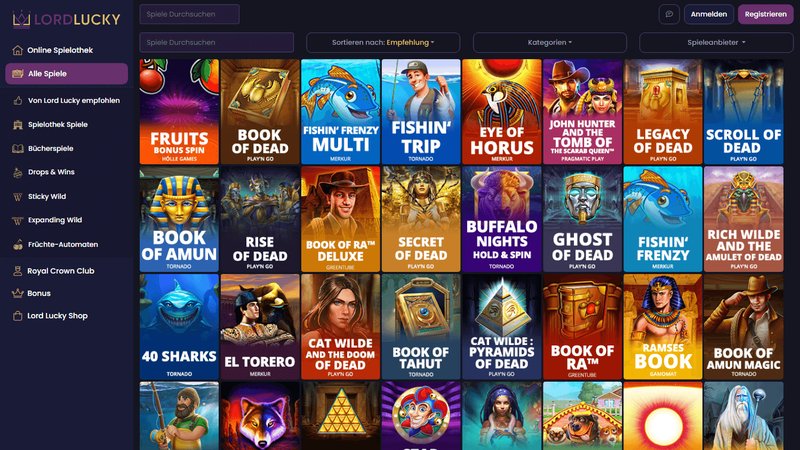
It’s easy to see how the convenience of cloud gaming dovetails with other streaming habits. If you’ve already subscribed to a music or video service, adding a gaming tier feels like a natural extension of the same monthly bill. That synergy is why many providers bundle everything together, and it also explains why some gamers drift toward full‑blown online casinos as another form of instant, on‑demand entertainment. To explore that side of the market, you can discover and start with Lucki, which offers a straightforward entry point for those curious about digital wagering.
What still holds you back?
The biggest hurdle remains data consumption. Streaming a 1080p game burns roughly 7 GB per hour, a figure that can exceed most UK mobile plans after just two sessions. Users on unlimited plans are safe, but anyone on a 50 GB cap must watch their playtime or risk a hefty overage charge.
Another limitation is the occasional “server overload” during peak evenings. When demand spikes, some services throttle quality to 720p, which can be noticeable on larger phone screens. The experience isn’t broken, but it’s a reminder that the cloud isn’t infinite.
Where the trend is heading
Looking ahead, expect 6G prototypes to push latency below 10 ms, making cloud gaming indistinguishable from native play. Meanwhile, major studios are negotiating exclusive deals with streaming platforms, meaning tomorrow’s blockbuster could debut only on the cloud.
For now, the UK’s mobile gaming surge is less about new phones and more about a shift in how we consume interactive media. If you’ve been skeptical, try a free trial of any major service – you might find that the future of play fits comfortably in the palm of your hand.